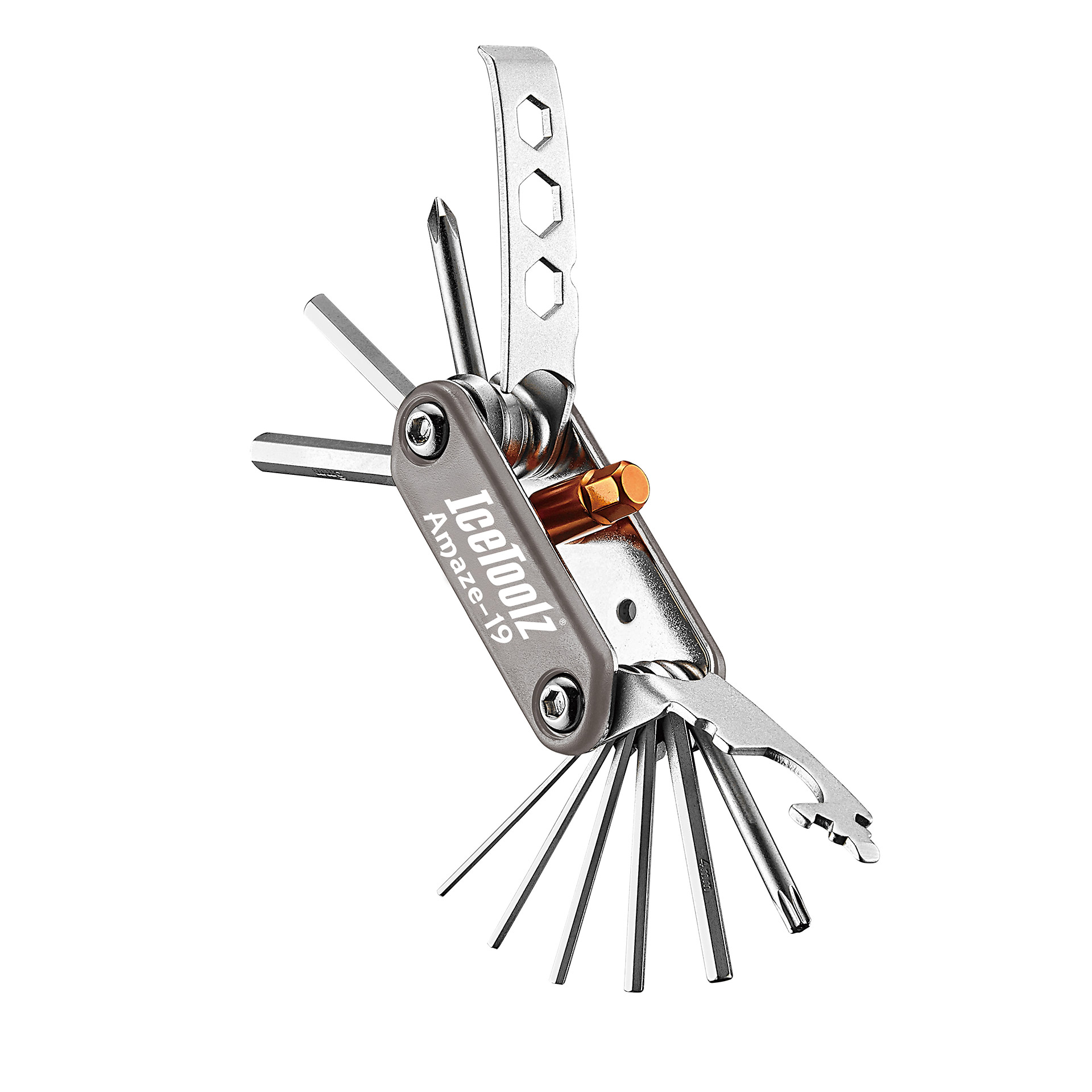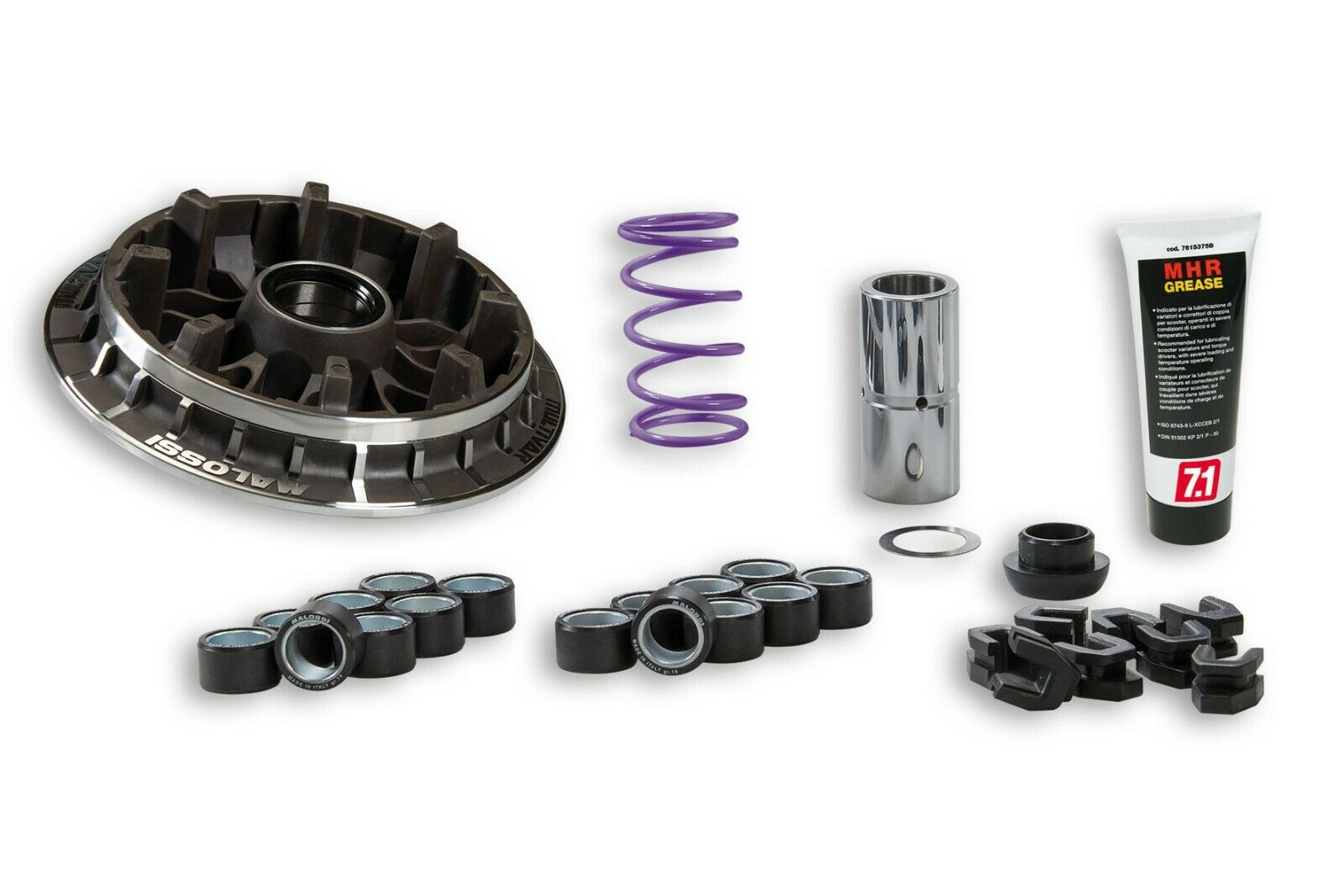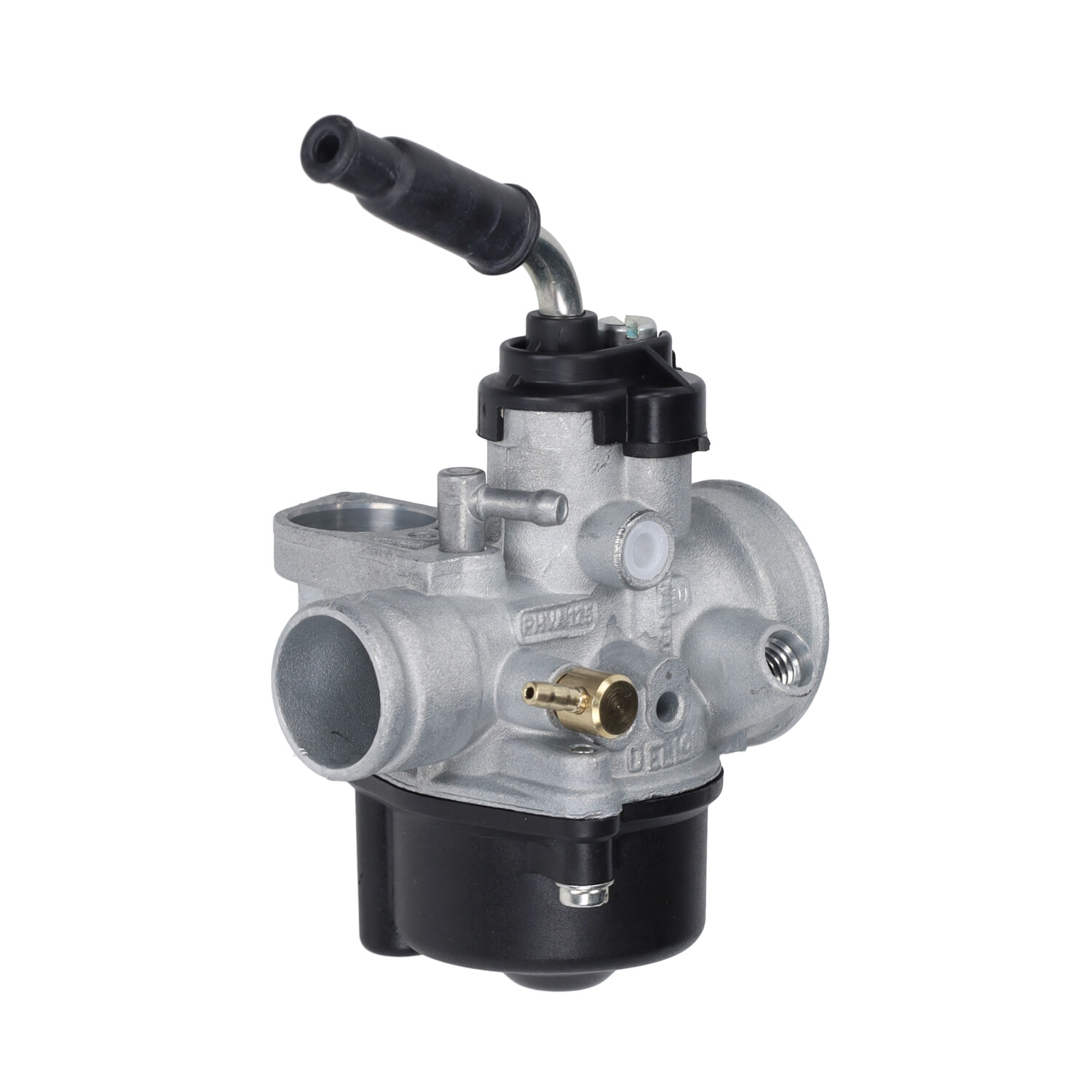
A properly adjusted carburettor idles calmly and pulls away without hesitation. It comes down to two screws: one for the idle speed, one for the mixture. Below you can read which two you have and how to adjust them warm, on the common Dell'Orto PHVA/PHBN, Bing, Keihin-CVK and Chinese GY6 carburettors, 2T and 4T.
Eliminate the cause first, only then turn
Adjusting is the finishing touch, not the repair.
- Dirty air filter — it runs rich, and if you tune that out, it ends up running too lean after the filter has been cleaned. Clean or replace it first, see cleaning the air filter and carburettor.
- Air leak — a cracked inlet rubber or a loose clamp lets air in around the carburettor and keeps the idle high. Look for small cracks in the folds.
- Stale, gummed-up petrol or a clogged jet — that is what makes it run badly, not your adjustment.
- Worn spark plug — replace it first; the colour of the insulator tip is then your mixture check, see choosing the right spark plug.
Which two screws are on it
The throttle stop screw (in the catalogue 'idle adjusting screw') holds the throttle slide or throttle valve open a fraction: turning it in gives a higher idle speed; it does nothing more. The second screw regulates the mixture with the throttle closed and just opened; its position shows which one you have:
- Before the throttle slide, on the air filter side — an air screw. It restricts the air: screwing in is richer, screwing out is leaner. Common on Dell'Orto PHVA, PHBN and PHBG and on Bing.
- Behind the throttle slide, on the intake side — a mixture or fuel screw. It restricts the fuel: screwing in is leaner, screwing out is richer. Common on Keihin CVK and on many Chinese 4T carburettors.
Turning it the wrong way round is the classic mistake.
The basic setting
Carefully screw the mixture screw in until it lightly seats (light stop) and no further: the tip and seat are soft brass, and a screw that's been tightened cuts its own groove. Then back it out by the number of turns given in the workshop manual — typically 1 to 2,5 turns, and 1,5 turns is a usable starting point if no figure is given. Count in quarter turns.
Step by step
- Warm it up or let it run for five to ten minutes; adjusting it when cold gives an incorrect value. Center stand, rear wheel clear.
- Set the mixture screw to the basic setting.
- Use the throttle stop screw to set an engine speed at which it just keeps running and the clutch does not engage: the rear wheel is stationary.
- Turn the mixture screw in quarter-turn increments to one side and wait five to ten seconds each time; the engine speed responds with a delay.
- If it runs faster, keep going until the rpm stops rising; if it drops straight away, go the other way from your starting point. The highest and smoothest rpm is your setting — on a two-stroke, many mechanics stay an eighth of a turn on the rich side.
- The idle has now risen; set it back with the throttle stop screw, typically around 1.500 to 2.000 rpm on scooters, rear wheel stationary; the manual gives your value.
- Repeat steps 4 to 6 once; the optimum shifts slightly.
- Check: opening the throttle quickly should pick up without hesitation; upon releasing, the RPM drops back smoothly. After riding a short distance, check the spark plug: light brown is good, sooty black is too rich, bright white is too lean.
Symptom and direction
- Spluttering or a hesitation when accelerating — too lean at small throttle opening: richer, so air screw in or mixture screw out.
- Popping in the exhaust on a closed throttle — idle too lean, or an air leak at the exhaust flange; check that first.
- Idle stays high — usually an air leak or a throttle cable that is too tight, only then the idle stop screw.
- Stalling at the traffic light — idle too low or too lean: turn the throttle stop screw in a quarter turn, then find the peak again.
What you can't fix with the adjusting screw
- Overflowing — petrol from the overflow hose, a wet spark plug and a smell of petrol when stationary come from a leaking float needle or an incorrect float level, not from your adjustment.
- Poor running when warm — if it keeps running rich with a black spark plug, look at the choke. An electric choke or bystarter, common on CVK and 4T carburettors, should close after warming up; if it stays open, it enriches the mixture permanently.
- Jets and needle position — these determine the mixture at half and full throttle: tuning, not adjusting. Rejetting belongs with a modified engine block or a different exhaust, see scooter tuning; fitting different jets to hide an adjustment error only makes the fault harder to find.
The right parts straight away
Take a look at the air and idle adjusting screws, the individual carburettor parts (float needles, overhaul kits), the jets, the intake rubbers, the air filters, the chokes and bystarters and complete carburettors, and filter on the left for your brand and model. If it won't start at all, work through the checklist. More in scooter maintenance and the FAQ.